
Blogs

When trying to conceive, many women closely monitor their follicle growth through ultrasound scans, especially during fertility treatments such as ovulation induction, IUI, or IVF. One of the most common questions fertility specialists hear is: "Can you get pregnant with just one follicle?"
The simple answer is yes, it is absolutely possible to get pregnant with one healthy follicle. In fact, many natural pregnancies occur each month when a woman releases just one mature egg from a single follicle.
However, the chances of conception depend on several factors beyond the number of follicles. Follicle size, egg quality, age, sperm health, timing of intercourse, and overall reproductive health all play important roles in determining whether pregnancy occurs.
At The Boon IVF, we often counsel patients who worry when their scan shows only one dominant follicle. While multiple follicles can increase the chances of conception in certain fertility treatments, one mature follicle can still lead to a successful pregnancy.
In this guide, we'll explain what follicles are, how they affect fertility, and what your chances of conception may be with a single follicle.
What Is a Follicle?
A follicle is a small fluid-filled sac located within the ovary. Each follicle contains an immature egg, also known as an oocyte.
During each menstrual cycle, several follicles begin developing under the influence of hormones. Typically, one follicle becomes dominant and continues growing while the others stop developing.
The dominant follicle eventually releases a mature egg during ovulation, making fertilization possible if sperm are present.
Healthy follicle development is a critical part of natural conception and fertility treatment success.
What Happens During Follicle Growth?
The menstrual cycle is carefully regulated by hormones that stimulate follicle growth.
Early Follicular Phase
At the beginning of the cycle, multiple follicles start developing in the ovaries.
Dominant Follicle Selection
Usually, one follicle becomes dominant and grows faster than the others.
Follicle Maturation
As the follicle grows, the egg inside matures and prepares for ovulation.
Ovulation
When the follicle reaches an appropriate size, it ruptures and releases the mature egg.
This egg remains available for fertilization for approximately 12 to 24 hours after ovulation.
Can You Get Pregnant With One Follicle?
Yes.
A single mature follicle can absolutely result in pregnancy.
In fact, most naturally conceived pregnancies occur when only one egg is released during ovulation.
The presence of one healthy follicle indicates that:
Ovulation is occurring
An egg is developing properly.
Fertilization is possible
Pregnancy can happen if sperm successfully meets the egg.
Many women mistakenly assume that more follicles automatically mean higher pregnancy chances. While multiple follicles may increase the number of eggs available during fertility treatment cycles, quality often matters more than quantity.
One healthy egg can be enough to create a healthy pregnancy.
What Is the Ideal Follicle Size for Pregnancy?
Follicle size is one of the most important factors fertility specialists evaluate during monitoring.
A mature follicle is typically:
Between 18 and 24 mm in diameter before ovulation
When a follicle reaches this size range, the egg inside is usually mature enough for fertilization.
Follicles that are too small may contain immature eggs, while excessively large follicles may indicate abnormal development.
During fertility treatment cycles, ultrasound scans help determine the optimal timing for ovulation triggers, intercourse, or IUI procedures.
Is One Mature Follicle Enough for Natural Conception?
For many women, yes.
Natural conception generally requires:
One healthy egg
Healthy sperm
Open fallopian tubes
Proper timing of intercourse
Since one follicle typically releases one egg, a single mature follicle is often sufficient for pregnancy.
In women with regular ovulation and no significant fertility issues, one follicle may provide an excellent opportunity for conception.
Pregnancy Chances With One Follicle
The chances of pregnancy depend on numerous factors.
Age
Age significantly influences egg quality.
Women under 35 generally have higher conception rates because egg quality tends to be better.
As age increases, egg quality and quantity gradually decline.
Egg Quality
A healthy egg is essential for fertilization and embryo development.
Even if only one follicle is present, a high-quality egg can result in a successful pregnancy.
Sperm Health
Healthy sperm count, motility, and morphology are critical for fertilization.
Male fertility factors contribute to approximately half of all infertility cases.
Timing
Intercourse or insemination must occur close to ovulation to maximize pregnancy chances.
Overall Reproductive Health
Factors such as uterine health, hormone balance, and fallopian tube function also influence success rates.
One Follicle During Ovulation Induction
Women undergoing ovulation induction often wonder whether one follicle is enough.
The goal of ovulation induction is to stimulate the development of one or more mature follicles.
In many treatment cycles, developing one mature follicle is considered a positive response because:
It reduces the risk of multiple pregnancy.
It mimics natural ovulation.
It provides a good chance of conception.
Many successful pregnancies occur during cycles where only one mature follicle develops.
One Follicle During IUI Treatment
Intrauterine insemination (IUI) is often performed when one or more mature follicles are present.
A single mature follicle can produce a successful IUI pregnancy.
While multiple follicles may slightly increase pregnancy rates, they also increase the risk of twins or higher-order multiples.
For this reason, many fertility specialists consider one to three mature follicles an ideal response during IUI cycles.
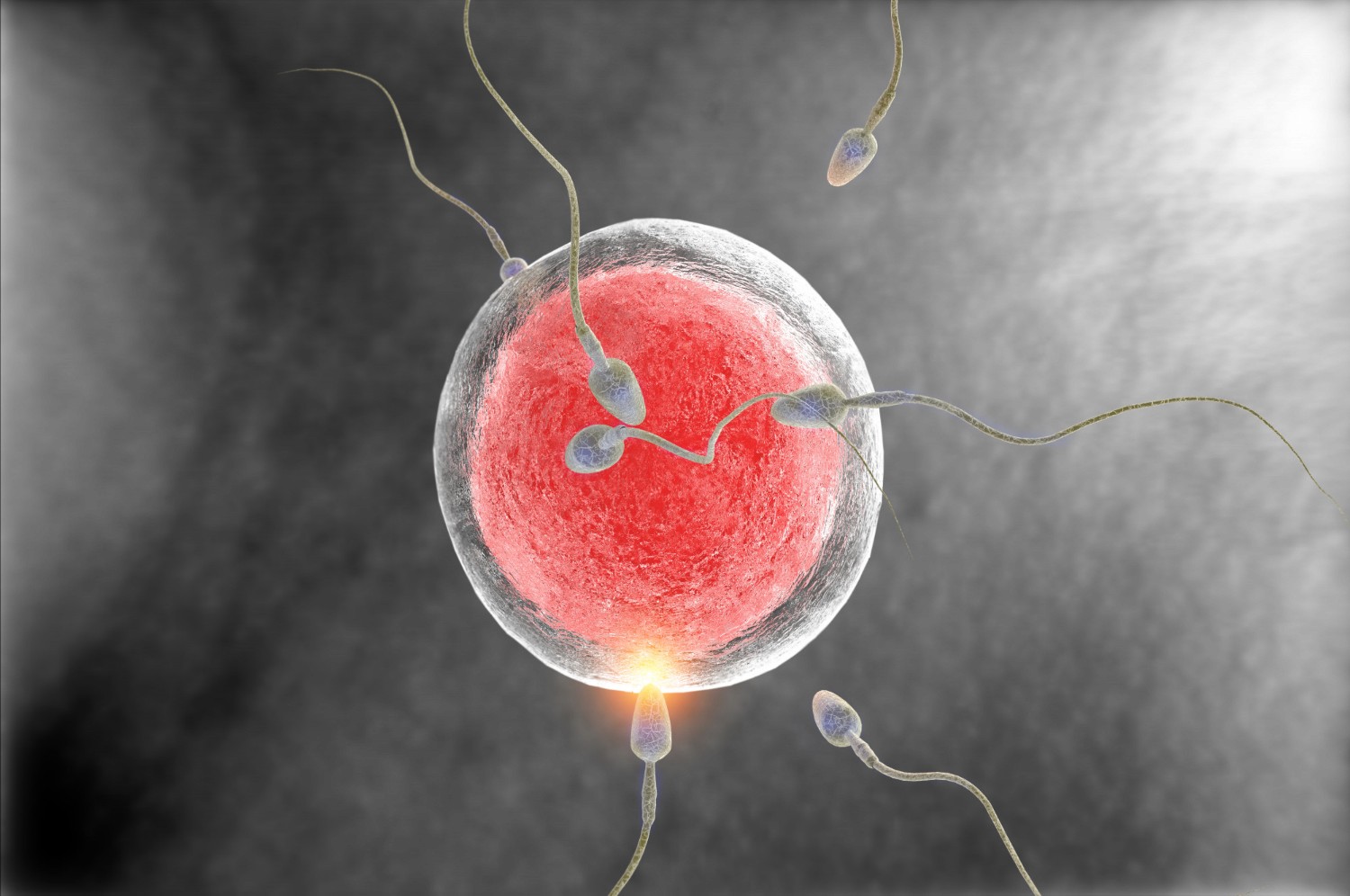
What About IVF?
IVF is different from natural conception and IUI.
During IVF, fertility medications are used to stimulate the ovaries to produce multiple follicles.
The goal is to retrieve multiple eggs because:
Not every egg will fertilize.
Not every embryo will develop normally.
Having more embryos increases treatment options.
However, some women with diminished ovarian reserve may produce only one follicle during IVF stimulation.
Even in these situations, pregnancy is still possible if the egg is healthy and successfully develops into a viable embryo.
Many successful IVF pregnancies have resulted from a single retrieved egg.
Can Multiple Follicles Increase Pregnancy Chances?
In some fertility treatments, yes.
Multiple mature follicles may:
Increase the number of eggs available.
Improve the chances of fertilization.
Raise pregnancy rates
However, they also increase the likelihood of:
Twin pregnancies
Triplet pregnancies
Pregnancy complications
This is why fertility specialists carefully monitor follicle development during treatment.
The goal is to balance success rates with patient safety.
Factors That Matter More Than Follicle Count
Many patients focus heavily on the number of follicles, but other factors are often more important.
Egg Quality
One healthy egg is generally better than several poor-quality eggs.
Endometrial Thickness
The uterine lining must be receptive for embryo implantation.
Hormone Levels
Proper hormone balance supports ovulation and implantation.
Sperm Quality
Even with a healthy follicle, poor sperm quality can reduce conception chances.
Tubal Health
At least one open fallopian tube is necessary for natural conception.
When Should You Be Concerned About Having Only One Follicle?
Having one follicle is not usually a problem.
However, fertility evaluation may be beneficial if:
You are over 35 and struggling to conceive.
You consistently produce very few follicles.
You have irregular ovulation.
You have diminished ovarian reserve.
You have undergone multiple unsuccessful fertility treatments.
A fertility specialist can assess your ovarian reserve and recommend appropriate treatment options.
How Fertility Specialists Evaluate Follicles
Several tools help assess follicle development.
Ultrasound Monitoring
Ultrasound scans measure:
Follicle size
Follicle number
Ovarian response
AMH Testing
Anti-Müllerian Hormone (AMH) helps estimate ovarian reserve.
Antral Follicle Count (AFC)
AFC measures the number of small follicles present at the beginning of the menstrual cycle.
Hormone Testing
Tests may include:
FSH
LH
Estradiol
Progesterone
These results help guide fertility treatment decisions.
Tips to Improve Your Chances of Conception
While follicle development is important, overall reproductive health matters too.
Consider the following:
Maintain a healthy weight.
Eat a balanced diet
Exercise regularly
Avoid smoking
Limit alcohol consumption
Manage stress effectively
Follow your fertility specialist's recommendations.
Healthy lifestyle habits can support optimal fertility.
Frequently Asked Questions
Can one follicle release more than one egg?
Typically, one follicle contains one egg. However, in rare cases, a follicle may release more than one egg.
Is one follicle enough for twins?
Identical twins can occur from a single fertilized egg that later divides. Therefore, twins are possible even with one follicle, although it is uncommon.
Can I get pregnant naturally with one follicle?
Yes. Most natural pregnancies occur when a single mature follicle releases one healthy egg.
Does one follicle mean low fertility?
Not necessarily. One mature follicle is normal during natural ovulation.
Is one follicle enough during IUI?
Yes. Many successful IUI pregnancies occur with one mature follicle.
Conclusion
If your ultrasound shows only one follicle, there is no reason to lose hope. One healthy, mature follicle can absolutely lead to a successful pregnancy. In fact, most natural conceptions occur when a single egg is released during ovulation.
While multiple follicles may sometimes improve pregnancy rates during fertility treatments, the quality of the egg, sperm health, timing, and overall reproductive health often matter more than the number of follicles alone.
At The Boon IVF, we understand that every fertility journey is unique. Whether you're trying to conceive naturally, undergoing IUI, or considering IVF, our experienced fertility specialists can help evaluate your reproductive health and create a personalized treatment plan.
If you're concerned about follicle growth, ovulation, or fertility treatment outcomes, schedule a consultation with The Boon IVF and take the next step toward achieving your dream of parenthood.
Curious about IVF? Let's Talk
Call Us:
+91 777 2920 777
Email Us:
helpdesk@theboonivf.com
What is IVF and how does it help?
What is the success rate of IVF?
How long does the IVF process take?
Is IVF safe?
When should we consult a fertility specialist?
" height="413.26920374512036px" id="IevLqxMPl" width="1327.9993314966944px"/></g></svg>)