
Blogs

For many women planning to start a family, uterine fibroids can be an unexpected obstacle on the path to pregnancy. Fibroids are among the most common gynecological conditions affecting women of reproductive age, and while many women with fibroids conceive naturally, others may experience fertility challenges.
When couples turn to In Vitro Fertilization (IVF) for help, understanding the impact of fibroids becomes especially important. Depending on their size, number, and location, fibroids can interfere with embryo implantation, pregnancy progression, and overall IVF success rates.
At The Boon IVF, fertility specialists carefully evaluate uterine fibroids before recommending fertility treatments. A thorough assessment helps determine whether fibroids are likely to affect conception and whether treatment is necessary before proceeding with IVF.
In this comprehensive guide, we'll explore what uterine fibroids are, how they affect fertility, their impact on IVF outcomes, available treatment options, and when medical intervention may improve the chances of a successful pregnancy.
What Are Uterine Fibroids?
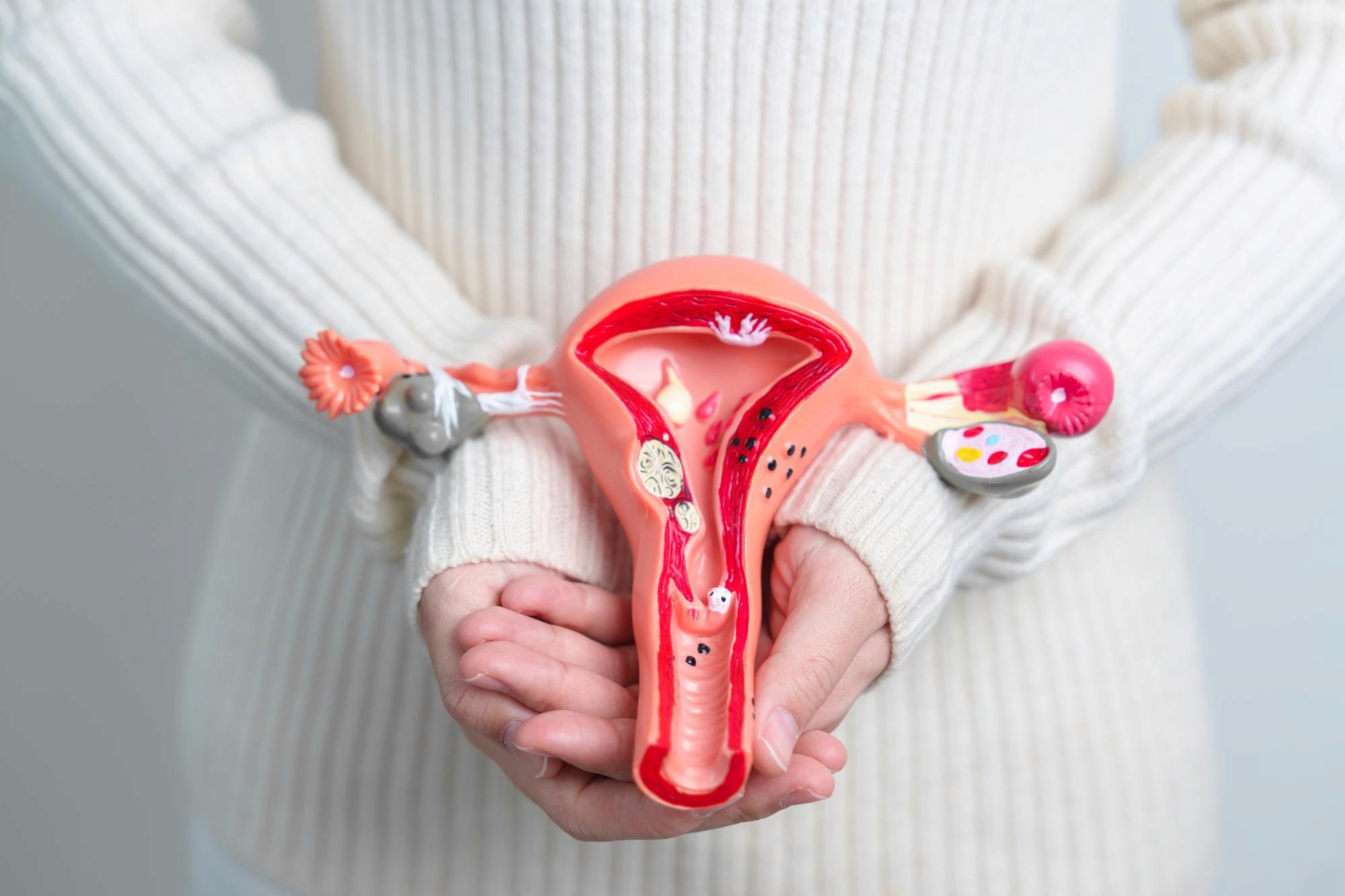
Uterine fibroids are non-cancerous growths that develop within or around the uterus.
Also known as:
Leiomyomas
Myomas
Fibroids are made up of muscle and connective tissue and can vary greatly in size. Some are as small as a seed, while others can grow large enough to distort the uterus.
Although fibroids are benign, they can cause symptoms and fertility complications in some women.
How Common Are Fibroids?
Fibroids are extremely common among women during their reproductive years.
Studies suggest that:
Up to 70% of women may develop fibroids by age 50.
Many women have fibroids without knowing it.
Not all fibroids affect fertility.
In many cases, fibroids are discovered during routine fertility evaluations or ultrasound scans before IVF treatment.
Types of Uterine Fibroids
The location of fibroids is often more important than their size when it comes to fertility and IVF outcomes.
Submucosal Fibroids
These grow inside the uterine cavity.
They are most strongly associated with infertility because they can:
Distort the uterine cavity.
Interfere with embryo implantation.
Increase miscarriage risk
Submucosal fibroids are often removed before IVF.
Intramural Fibroids
These develop within the muscular wall of the uterus.
Large intramural fibroids may:
Alter blood flow to the uterus.
Affect endometrial development
Reduce implantation rates
Their impact depends largely on size and location.
Subserosal Fibroids
These grow on the outer surface of the uterus.
Subserosal fibroids generally have minimal impact on fertility because they do not usually affect the uterine cavity.
However, very large fibroids may sometimes create reproductive challenges.
Pedunculated Fibroids
These are attached to the uterus by a stalk-like structure.
Their effect on fertility depends on their location and size.
What Causes Uterine Fibroids?
The exact cause of fibroids remains unclear.
However, several factors are believed to contribute to their development.
Hormonal Influences
Estrogen and progesterone stimulate fibroid growth.
Fibroids often enlarge during reproductive years and may shrink after menopause.
Genetics
Women with a family history of fibroids may have an increased risk of developing them.
Age
Fibroids are most common during the reproductive years.
Obesity
Excess body weight may increase estrogen levels, contributing to fibroid growth.
Lifestyle Factors
Certain lifestyle and dietary factors may also play a role in fibroid development.
Symptoms of Uterine Fibroids
Many women with fibroids experience no symptoms at all.
When symptoms occur, they may include:
Heavy menstrual bleeding
Painful periods
Pelvic pressure
Frequent urination
Lower back pain
Abdominal bloating
Pain during intercourse
Recurrent miscarriages
Difficulty conceiving
Women seeking fertility treatment often discover fibroids during diagnostic evaluations.
Can Fibroids Cause Infertility?
Yes, in some cases.
The relationship between fibroids and infertility depends on:
Type of fibroid
Size
Number
Location
Fibroids may affect fertility by disrupting normal reproductive processes.
How Fibroids Affect Fertility
1. Distortion of the Uterine Cavity
Submucosal fibroids can alter the shape of the uterine cavity.
This may make embryo implantation more difficult.
2. Reduced Blood Supply
Fibroids can affect blood flow to the endometrium.
A healthy blood supply is essential for embryo implantation and pregnancy development.
3. Inflammation
Some fibroids may trigger inflammatory changes that interfere with implantation.
4. Blockage of Fallopian Tubes
Large fibroids may compress the fallopian tubes, preventing sperm and egg from meeting naturally.
5. Altered Uterine Contractions
Abnormal uterine contractions may affect embryo transport and implantation.
How Fibroids Impact IVF Success
Although IVF bypasses some infertility factors, fibroids can still influence treatment outcomes.
Several studies have shown that certain fibroids may reduce:
Implantation rates
Clinical pregnancy rates
Live birth rates
The effect depends largely on fibroid location.
Submucosal Fibroids and IVF
Submucosal fibroids have the most significant negative impact on IVF success.
They may:
Prevent implantation
Increase miscarriage rates
Reduce pregnancy success
Most fertility specialists recommend removing these fibroids before IVF.
Intramural Fibroids and IVF
The impact of intramural fibroids remains a topic of ongoing research.
Large intramural fibroids may:
Distort the uterine cavity
Affect endometrial receptivity
Reduce implantation potential
Treatment decisions are individualized based on each patient's situation.
Subserosal Fibroids and IVF
Subserosal fibroids generally have little impact on IVF outcomes.
If they do not affect the uterine cavity, treatment may not be necessary before IVF.
Diagnosing Fibroids Before IVF
At The Boon IVF, a detailed fertility evaluation helps determine whether fibroids may affect treatment success.
Common diagnostic methods include:
Pelvic Ultrasound
The most common imaging tool used to identify fibroids.
Transvaginal Ultrasound
Provides detailed images of the uterus and fibroid location.
Sonohysterography
Uses saline and ultrasound to evaluate the uterine cavity.
Hysteroscopy
Allows direct visualization of the uterine cavity.
Particularly useful for detecting submucosal fibroids.
MRI
May be recommended in complex cases to assess large or multiple fibroids.
Should Fibroids Be Removed Before IVF?
Not all fibroids require treatment.
The decision depends on:
Size
Number
Location
Symptoms
Previous IVF history
Your fertility specialist will determine whether removal is likely to improve IVF outcomes.
Fibroid Treatment Options Before IVF
Myomectomy
Myomectomy is the surgical removal of fibroids while preserving the uterus.
It is often recommended for:
Submucosal fibroids
Large intramural fibroids
Symptomatic fibroids
Hysteroscopic Myomectomy
A minimally invasive procedure used to remove fibroids inside the uterine cavity.
Benefits include:
No external incision
Faster recovery
Improved implantation potential
Laparoscopic Myomectomy
Used for larger fibroids located within or outside the uterine wall.
This minimally invasive approach offers quicker recovery compared to open surgery.
Open Myomectomy
Reserved for very large or numerous fibroids.
How Long Should You Wait After Fibroid Removal Before IVF?
Recovery time depends on:
Type of surgery
Number of fibroids removed
Healing of the uterus
Many women can begin IVF within a few months after surgery, depending on their doctor's recommendations.
Pregnancy After Fibroid Treatment
Many women successfully conceive after fibroid removal.
Benefits may include:
Improved implantation rates
Reduced miscarriage risk
Better pregnancy outcomes
However, every patient is different, and treatment decisions should be individualized.
Lifestyle Tips for Women with Fibroids
Although lifestyle changes cannot eliminate fibroids, they may support reproductive health.
Maintain a Healthy Weight
Balanced hormone levels can support fertility.
Eat a Nutrient-Rich Diet
Focus on:
Fruits
Vegetables
Whole grains
Lean proteins
Manage Stress
Chronic stress may negatively affect reproductive health.
Regular Exercise
Supports overall well-being and hormonal balance.
IVF Success with Fibroids
The good news is that many women with fibroids achieve successful pregnancies through IVF.
Advances in fertility treatment and individualized care have significantly improved outcomes.
Proper diagnosis and treatment planning are key to success.
At The Boon IVF, each patient receives a personalized fertility assessment to determine the best path forward.
Why Choose The Boon IVF?
At The Boon IVF, we understand that uterine fibroids can raise concerns about fertility and pregnancy.
Our experienced fertility specialists use advanced diagnostic tools and evidence-based treatment approaches to evaluate fibroids and optimize IVF outcomes.
We offer:
Comprehensive fertility evaluations
Advanced imaging and diagnostics
Expert fibroid assessment
Personalized IVF treatment plans
State-of-the-art fertility technology
Compassionate patient care
Our goal is to help every patient achieve the best possible chance of a healthy pregnancy.
Conclusion
Uterine fibroids are common, but their impact on fertility and IVF success varies depending on their size, number, and location. While some fibroids have little or no effect on conception, others can interfere with implantation, pregnancy development, and treatment outcomes.
A thorough fertility evaluation is essential before beginning IVF. By identifying fibroids early and determining whether treatment is necessary, fertility specialists can develop personalized strategies that maximize the chances of success.
If you're planning IVF and have been diagnosed with fibroids, the experts at The Boon IVF can help you understand your options and create a treatment plan tailored to your unique fertility goals.
Frequently Asked Questions
1. Can I undergo IVF with fibroids?
Yes. Many women successfully undergo IVF with fibroids, although treatment may be recommended depending on their location and size.
2. Do all fibroids affect fertility?
No. Submucosal fibroids are most likely to affect fertility, while many subserosal fibroids have little impact.
3. Should fibroids be removed before IVF?
Only certain fibroids require removal. Your fertility specialist will evaluate whether surgery may improve treatment success.
4. Can fibroids cause IVF failure?
Some fibroids may reduce implantation rates or increase miscarriage risk, particularly if they distort the uterine cavity.
5. How are fibroids diagnosed before IVF?
Common diagnostic methods include ultrasound, hysteroscopy, sonohysterography, and MRI.
Curious about IVF? Let's Talk
Call Us:
+91 777 2920 777
Email Us:
helpdesk@theboonivf.com
What is IVF and how does it help?
What is the success rate of IVF?
How long does the IVF process take?
Is IVF safe?
When should we consult a fertility specialist?
" height="413.26920374512036px" id="IevLqxMPl" width="1327.9993314966944px"/></g></svg>)