
Blogs
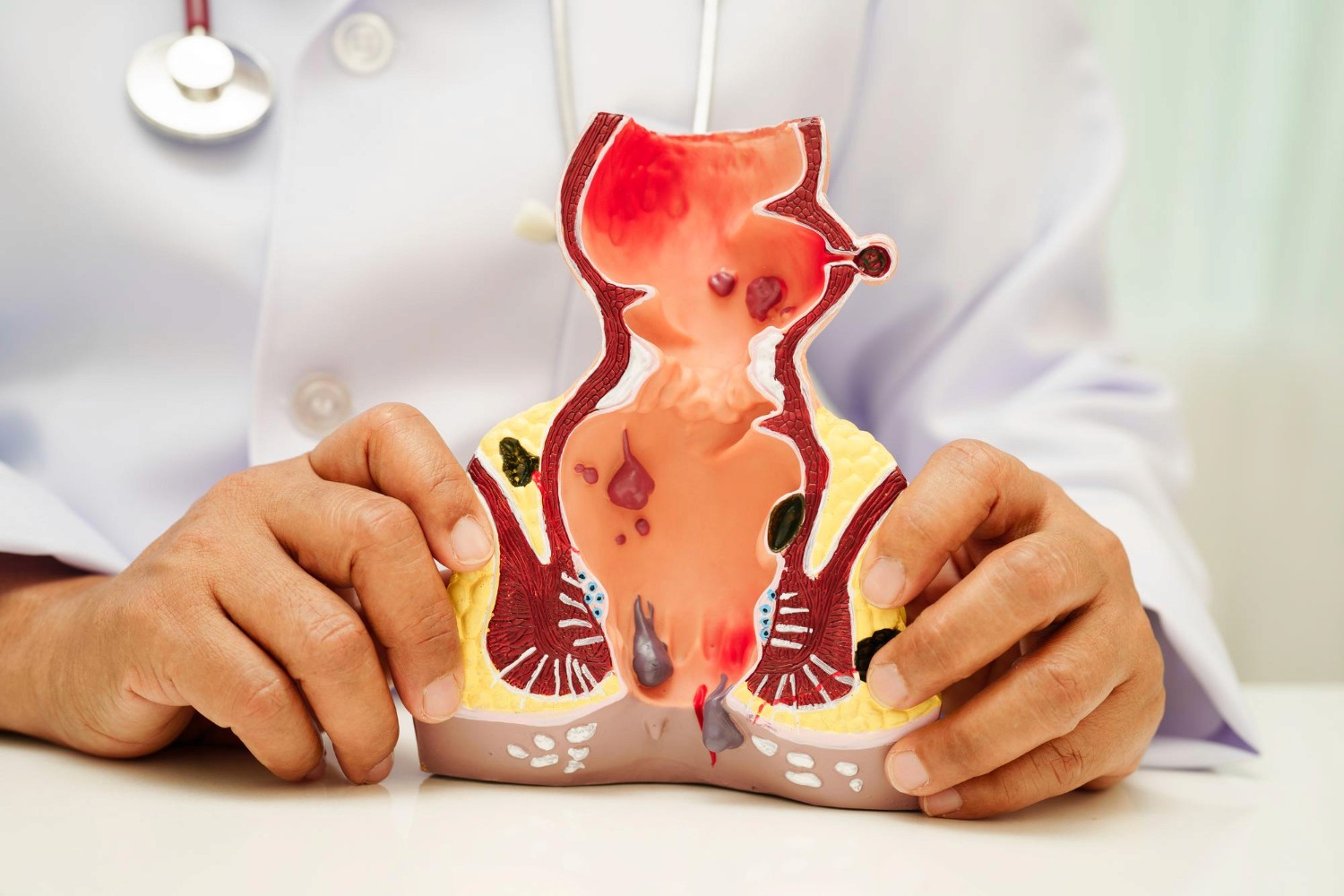
When couples struggle to conceive, attention often focuses on ovulation, hormone levels, or sperm quality. However, the health of the fallopian tubes is equally important for successful conception. One serious condition that can affect the fallopian tubes and significantly impact fertility is pyosalpinx.
Pyosalpinx occurs when one or both fallopian tubes become filled with pus due to a bacterial infection. It is often a complication of pelvic inflammatory disease (PID) and can lead to chronic pelvic pain, blocked fallopian tubes, ectopic pregnancy, infertility, and reduced success rates during fertility treatments such as IVF.
Many women are unaware they have pyosalpinx until they experience persistent symptoms or face difficulties becoming pregnant. The good news is that early diagnosis and appropriate treatment can help prevent long-term complications and improve fertility outcomes.
At The Boon IVF, we understand how conditions affecting the reproductive system can impact a woman's journey to parenthood. This guide explains everything you need to know about pyosalpinx, including its causes, symptoms, diagnosis, treatment options, and effects on fertility.
What Is Pyosalpinx?
Pyosalpinx is a gynecological condition in which pus accumulates inside a fallopian tube due to infection. The fallopian tubes are delicate structures that connect the ovaries to the uterus and play a crucial role in natural conception.
Normally, after ovulation, the fallopian tube picks up the released egg and provides the environment where fertilization occurs. The fertilized egg then travels through the tube to the uterus for implantation.
When bacteria infect the fallopian tube, inflammation develops. Over time, pus collects within the tube, causing swelling, blockage, and damage to the surrounding tissues. If left untreated, pyosalpinx can permanently affect reproductive function.
Pyosalpinx may affect:
One fallopian tube (unilateral pyosalpinx)
Both fallopian tubes (bilateral pyosalpinx)
Bilateral pyosalpinx is generally associated with a greater risk of infertility.
Why Are Healthy Fallopian Tubes Important for Pregnancy?
The fallopian tubes play an essential role in reproduction. They:
Capture the egg released from the ovary.
Facilitate fertilization between the egg and sperm.
Transport the embryo to the uterus.
Any condition that damages or blocks the fallopian tubes can interfere with these processes.
When pyosalpinx causes severe inflammation or scarring, sperm may not reach the egg, fertilization may not occur, or the embryo may not successfully reach the uterus. This can result in infertility or increase the risk of ectopic pregnancy.
Causes of Pyosalpinx
Pyosalpinx develops when bacteria spread into the upper reproductive tract and infect the fallopian tubes.
1. Pelvic Inflammatory Disease (PID)
PID is the most common cause of pyosalpinx. It occurs when bacteria spread from the vagina or cervix into the uterus, ovaries, and fallopian tubes.
Untreated PID can lead to severe inflammation, abscess formation, and pus accumulation within the tubes.
2. Sexually Transmitted Infections (STIs)
Certain sexually transmitted infections significantly increase the risk of pyosalpinx.
Common infections include:
Chlamydia
Gonorrhea
These infections often produce mild or no symptoms initially, allowing the infection to progress unnoticed.
3. Post-Surgical Pelvic Infections
Women who have undergone pelvic or gynecological surgery may occasionally develop infections that spread to the fallopian tubes.
4. Postpartum Infections
Infections following childbirth can sometimes involve the reproductive organs and increase the risk of pyosalpinx.
5. Post-Abortion Infections
In rare cases, infections occurring after abortion procedures may spread into the fallopian tubes.
6. Endometriosis and Pelvic Conditions
Although less common, women with endometriosis or chronic pelvic inflammation may have an increased risk of developing reproductive tract infections.
Risk Factors for Pyosalpinx
Certain factors can increase a woman's risk of developing pyosalpinx:
History of pelvic inflammatory disease
Previous sexually transmitted infections
Multiple sexual partners
Unprotected sexual intercourse
Prior pelvic surgery
Delayed treatment of reproductive infections
Previous ectopic pregnancy
Chronic pelvic inflammatory conditions
Understanding these risk factors can help women take preventive measures and seek medical care when symptoms arise.
Symptoms of Pyosalpinx
The symptoms of pyosalpinx vary depending on the severity of the infection. Some women experience obvious symptoms, while others may remain asymptomatic until fertility issues occur. Common symptoms include:
Pelvic Pain
Persistent lower abdominal or pelvic pain is one of the most common symptoms. The pain may be dull, aching, or severe.
Fever and Chills
Fever often indicates an active infection and should never be ignored.
Abnormal Vaginal Discharge
Women may notice unusual discharge with an unpleasant odor.
Pain During Sexual Intercourse
Inflammation in the reproductive organs can make intercourse painful.
Irregular Menstrual Bleeding
Some women experience spotting, heavy bleeding, or irregular periods.
Painful Urination
The infection may irritate nearby structures, causing discomfort while urinating.
Fatigue
Ongoing infection can lead to weakness, tiredness, and a general feeling of illness.
Difficulty Conceiving
In some cases, infertility is the first sign that leads to the diagnosis of pyosalpinx.
How Is Pyosalpinx Diagnosed?
Early diagnosis is important to minimize reproductive damage and preserve fertility.
Medical History and Physical Examination
A fertility specialist or gynecologist will evaluate symptoms, previous infections, reproductive history, and risk factors.
Pelvic Ultrasound
Ultrasound is commonly used to identify swollen or fluid-filled fallopian tubes.
Transvaginal Ultrasound
This imaging technique provides a clearer view of the reproductive organs and can help detect pus-filled tubes.
Blood Tests
Blood tests may reveal elevated white blood cell counts and signs of infection.
MRI or CT Scan
Advanced imaging may be recommended when the diagnosis is uncertain or complications are suspected.
Diagnostic Laparoscopy
Laparoscopy is considered one of the most accurate methods for evaluating tubal disease. It allows direct visualization of the reproductive organs and assessment of tubal damage.
Can Pyosalpinx Cause Infertility?
Yes, pyosalpinx can significantly affect fertility if not treated promptly.
The infection can damage the delicate inner lining of the fallopian tubes and lead to:
Tubal blockage
Scar tissue formation
Pelvic adhesions
Impaired egg transport
Reduced fertilization rates
The severity of fertility impairment depends on several factors, including:
Duration of infection
Extent of tubal damage
Whether one or both tubes are affected
Presence of other fertility conditions
Women diagnosed early generally have better fertility outcomes than those with advanced disease.
Pyosalpinx and Ectopic Pregnancy
Women with tubal damage caused by pyosalpinx face a higher risk of ectopic pregnancy.
An ectopic pregnancy occurs when a fertilized egg implants outside the uterus, most commonly within a fallopian tube.
Because damaged tubes may not transport the embryo effectively, implantation can occur within the tube itself.
Ectopic pregnancy is a medical emergency that requires immediate treatment.
Pyosalpinx and IVF Success Rates
Pyosalpinx can negatively affect IVF outcomes if left untreated.
Fluid from an infected fallopian tube may leak into the uterus and interfere with embryo implantation. Untreated tubal infections may also reduce IVF success rates and increase the risk of miscarriage.
For women planning IVF, fertility specialists often recommend treating pyosalpinx before beginning treatment.
Depending on the severity of the condition, management may include:
Antibiotic therapy
Drainage procedures
Laparoscopic surgery
Salpingectomy (removal of the damaged tube)
Treating pyosalpinx before IVF can significantly improve implantation rates and overall treatment success.
At The Boon IVF, a detailed fertility evaluation helps determine the most appropriate treatment approach before starting assisted reproductive procedures.
Treatment Options for Pyosalpinx
Treatment depends on the severity of infection, symptoms, reproductive goals, and extent of tubal damage.
Antibiotic Treatment
Antibiotics are typically the first-line treatment.
They help eliminate the bacterial infection and prevent further spread to surrounding tissues.
Early antibiotic treatment may preserve fertility and reduce the need for surgery.
Drainage of Pus
In certain cases, drainage procedures may be necessary to remove infected fluid from the fallopian tube.
Laparoscopic Surgery
Laparoscopy is a minimally invasive procedure that allows surgeons to:
Remove infected tissue
Drain abscesses
Separate adhesions
Evaluate reproductive organs
Salpingectomy
When the fallopian tube is severely damaged, removal of the affected tube may be recommended.
This procedure is often advised before IVF when a damaged tube is negatively affecting implantation.
Fertility Treatments
Women who experience infertility after pyosalpinx treatment may benefit from assisted reproductive technologies such as IVF.
Can You Get Pregnant After Pyosalpinx Treatment?
Many women successfully conceive after receiving appropriate treatment.
Pregnancy outcomes depend on:
Degree of tubal damage
Age of the woman
Presence of other fertility factors
Whether one or both tubes are affected
Women with one healthy fallopian tube may still conceive naturally.
For women with severe bilateral tubal damage, IVF often provides the best opportunity for achieving pregnancy.
A fertility specialist can evaluate reproductive health and recommend the most suitable treatment pathway.
How to Prevent Pyosalpinx
While not all cases can be prevented, several measures can reduce the risk.
Practice Safe Sex
Using protection can reduce the risk of sexually transmitted infections.
Seek Prompt Treatment
Early treatment of pelvic infections can prevent complications affecting fertility.
Attend Regular Gynecological Checkups
Routine reproductive health screenings help identify issues before they become serious.
Follow Medical Advice After Procedures
Proper post-operative care reduces infection risk after surgery or gynecological procedures.
Prioritize Reproductive Health
Awareness of symptoms and timely medical attention play a key role in prevention.
When Should You See a Fertility Specialist?
You should consider consulting a fertility specialist if you:
Have been diagnosed with pyosalpinx
Experience chronic pelvic pain.
Have recurrent pelvic infections
Have blocked fallopian tubes
Are you planning IVF treatment?
Have been unable to conceive for 12 months or longer
Early intervention can improve fertility outcomes and help identify the most effective treatment options.
Frequently Asked Questions
Is pyosalpinx a serious condition?
Yes. Without treatment, pyosalpinx can cause permanent damage to the fallopian tubes and affect fertility.
Can pyosalpinx heal without treatment?
No. Medical treatment is necessary to eliminate the infection and prevent complications.
Does pyosalpinx always lead to infertility?
Not always. Early diagnosis and treatment can preserve fertility in many women.
Can IVF help women with pyosalpinx?
Yes. IVF is often recommended when tubal damage prevents natural conception.
Can pyosalpinx recur?
It can recur if underlying infections are not adequately treated or if new infections develop.
Conclusion
Pyosalpinx is a serious fallopian tube infection that can significantly affect reproductive health and fertility. Although it often develops as a complication of pelvic inflammatory disease or untreated infections, early diagnosis and appropriate treatment can help prevent long-term complications.
Because pyosalpinx may lead to blocked fallopian tubes, ectopic pregnancy, infertility, and reduced IVF success rates, women experiencing symptoms should seek medical evaluation as soon as possible.
At The Boon IVF, our fertility specialists provide comprehensive diagnosis, advanced fertility evaluations, and personalized treatment plans for women affected by tubal disorders and infertility. Whether you're trying to conceive naturally or considering IVF, timely intervention can make a significant difference in your journey toward parenthood.
If you're experiencing pelvic pain, recurrent infections, blocked fallopian tubes, or difficulty conceiving, schedule a consultation with The Boon IVF today and take the first step toward understanding your fertility options.
Curious about IVF? Let's Talk
Call Us:
+91 777 2920 777
Email Us:
helpdesk@theboonivf.com
What is IVF and how does it help?
What is the success rate of IVF?
How long does the IVF process take?
Is IVF safe?
When should we consult a fertility specialist?
" height="413.26920374512036px" id="IevLqxMPl" width="1327.9993314966944px"/></g></svg>)