
Blogs
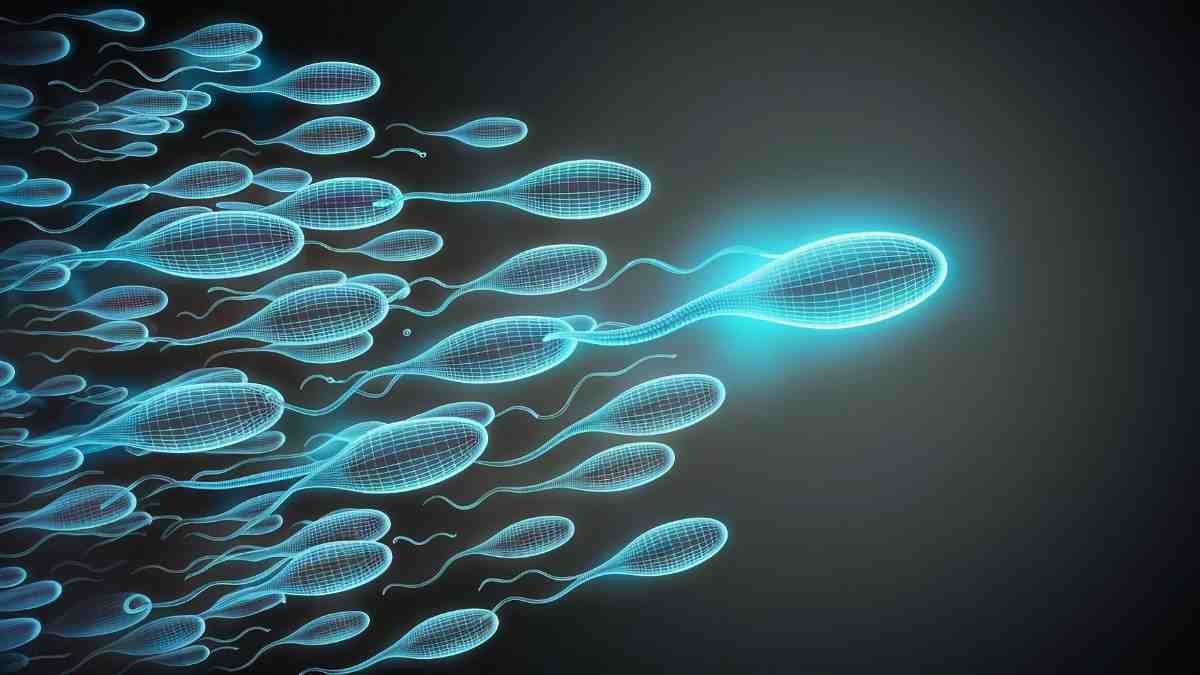
Experiencing pain, discomfort, or cramping after ejaculation can be worrying for many men. A common term often used online to describe this sensation is "sperm cramps." While sperm cramps are not a recognized medical condition, the phrase is widely used to refer to pain that occurs during or after ejaculation, in the testicles, lower abdomen, pelvis, groin, or surrounding areas.
Many men experience occasional mild discomfort after sexual activity, which may resolve on its own. However, when the pain becomes persistent, severe, or recurrent, it may indicate an underlying medical condition affecting the reproductive or urinary system. Conditions such as prostatitis, epididymitis, pelvic floor dysfunction, infections, or ejaculatory duct obstruction can all contribute to painful ejaculation and post-ejaculation cramps.
For couples trying to conceive, sperm cramps may raise concerns about fertility and reproductive health. Although sperm cramps themselves do not directly cause infertility, the underlying condition responsible for the pain may sometimes affect sperm production, semen quality, or overall reproductive function.
At The Boon IVF, we believe that male fertility is an essential part of successful conception. Understanding the causes and treatment options for sperm cramps can help men take proactive steps toward improving their reproductive health and overall well-being.
In this comprehensive guide, we explore what sperm cramps are, their possible causes, symptoms, diagnosis, treatment options, and their potential impact on fertility.
What Are Sperm Cramps?
The term "sperm cramps" is commonly used to describe pain, cramping, aching, or pressure that occurs during ejaculation or shortly afterward. The discomfort may be felt in different parts of the body, including:
Testicles
Penis
Groin
Lower abdomen
Pelvic region
Perineum (the area between the scrotum and anus)
Lower back
During ejaculation, the male reproductive system undergoes a series of coordinated muscular contractions that help move semen from the reproductive glands through the urethra and out of the body. Normally, these contractions are painless.
However, when there is inflammation, infection, muscle tension, or an obstruction in the reproductive tract, these normal contractions may trigger pain or discomfort.
The intensity of sperm cramps can vary significantly. Some men experience mild discomfort lasting only a few minutes, while others may have severe pain that persists for hours or even days.
Are Sperm Cramps Normal?
Occasional mild discomfort after ejaculation is not always a cause for concern. Temporary irritation, dehydration, prolonged sexual activity, or muscle strain may sometimes lead to brief episodes of discomfort.
However, sperm cramps should not be considered normal if they:
Occur frequently
Become more severe over time.
Interfere with sexual activity.
Last for an extended period
Are accompanied by swelling, fever, or urinary symptoms
Affect fertility or conception efforts.
Persistent symptoms warrant medical evaluation to identify the underlying cause and prevent complications.
Common Causes of Sperm Cramps
Several medical conditions can contribute to pain during or after ejaculation.
1. Prostatitis
One of the most common causes of sperm cramps is prostatitis, which refers to inflammation of the prostate gland.
The prostate produces a significant portion of seminal fluid and plays a crucial role in ejaculation. When it becomes inflamed, men may experience:
Painful ejaculation
Pelvic pain
Frequent urination
Burning sensation during urination
Lower back pain
Prostatitis can be caused by bacterial infections or chronic inflammation without infection.
2. Epididymitis
The epididymis is a tube located behind the testicles where sperm mature and are stored.
When this structure becomes inflamed, men may experience:
Testicular pain
Swelling
Tenderness
Pain after ejaculation
Discomfort while walking
Epididymitis often develops due to infections and should be treated promptly.
3. Seminal Vesicle Disorders
The seminal vesicles produce much of the fluid found in semen.
Inflammation, cysts, infections, or blockages affecting the seminal vesicles can cause discomfort during ejaculation and contribute to sperm cramps.
4. Ejaculatory Duct Obstruction
The ejaculatory ducts transport semen into the urethra.
A blockage in these ducts may result in:
Painful ejaculation
Reduced semen volume
Fertility problems
Pelvic discomfort
Although relatively uncommon, ejaculatory duct obstruction is an important cause of male infertility.
5. Urinary Tract Infections
Urinary tract infections may irritate structures near the reproductive system and cause pain during ejaculation.
Symptoms may include:
Frequent urination
Burning sensation
Pelvic discomfort
Fever
6. Sexually Transmitted Infections (STIs)
Certain sexually transmitted infections can affect the male reproductive tract and lead to painful ejaculation.
Common examples include:
Chlamydia
Gonorrhea
Trichomoniasis
Early diagnosis and treatment are important to prevent long-term complications.
7. Pelvic Floor Muscle Dysfunction
The pelvic floor muscles support the bladder, bowel, and reproductive organs.
When these muscles become tight or dysfunctional, men may experience:
Pelvic pain
Groin discomfort
Painful ejaculation
Lower abdominal cramping
Pelvic floor dysfunction is increasingly recognized as a common cause of chronic pelvic pain in men.
8. Psychological Stress and Anxiety
Stress and anxiety can contribute to increased muscle tension throughout the body, including the pelvic region.
In some cases, emotional stress may worsen pelvic pain and contribute to symptoms associated with sperm cramps.
Symptoms Associated with Sperm Cramps
Symptoms vary depending on the underlying condition.
Common symptoms include:
Pain during ejaculation
Cramping after ejaculation
Testicular pain
Pelvic pain
Groin discomfort
Lower abdominal pain
Burning sensation
Painful urination
Swelling of the testicles
Reduced sexual satisfaction
Some men may experience only occasional discomfort, while others may develop persistent symptoms that significantly affect quality of life.
Can Sperm Cramps Affect Male Fertility?
One of the most common questions men ask is whether sperm cramps can affect fertility.
The answer depends on the underlying cause.
Sperm cramps themselves do not directly cause infertility. However, the medical conditions associated with painful ejaculation can sometimes affect reproductive function.
Conditions that may influence fertility include:
Prostatitis
Chronic inflammation of the prostate may negatively affect semen quality and sperm function.
Reproductive Tract Infections
Untreated infections can damage reproductive tissues and interfere with sperm production or transport.
Ejaculatory Duct Obstruction
Blockages may reduce semen volume and prevent sperm from being properly ejaculated.
Chronic Inflammation
Persistent inflammation can create an unfavorable environment for healthy sperm production.
For couples experiencing difficulty conceiving, evaluation of male reproductive health is an important part of fertility assessment.
How Are Sperm Cramps Diagnosed?
A thorough evaluation helps identify the underlying cause and guide treatment.
Medical History
Your doctor will ask about:
Symptoms
Sexual history
Fertility concerns
Previous infections
Current medications
Physical Examination
A physical examination may assess:
Testicular tenderness
Swelling
Prostate abnormalities
Signs of infection
Urine Tests
Urine tests can help detect:
Bacterial infections
Urinary tract infections
Signs of inflammation
Semen Analysis
A semen analysis evaluates:
Sperm count
Sperm motility
Sperm morphology
Semen volume
This test is particularly important when fertility concerns are present.
Ultrasound Imaging
Scrotal or transrectal ultrasound may help identify structural abnormalities, cysts, inflammation, or blockages.
STI Testing
Testing for sexually transmitted infections may be recommended when infection is suspected.
Treatment Options for Sperm Cramps
Treatment depends entirely on the underlying cause.
Antibiotics
If an infection is present, antibiotics may be prescribed to eliminate bacteria and reduce inflammation.
Anti-Inflammatory Medications
These medications help reduce swelling and relieve discomfort.
Pelvic Floor Physical Therapy
Men with pelvic floor dysfunction may benefit from specialized physical therapy aimed at relaxing and strengthening pelvic muscles.
Hydration and Lifestyle Changes
Simple lifestyle measures can help improve symptoms:
Drink plenty of water.
Exercise regularly
Avoid prolonged sitting
Maintain a healthy weight.
Stress Management
Reducing stress through:
Meditation
Yoga
Counseling
Relaxation techniques
may help alleviate symptoms associated with muscle tension.
Surgical Treatment
In rare cases, surgery may be necessary to correct structural abnormalities or remove blockages affecting the reproductive tract.
When Should You See a Fertility Specialist?
You should seek medical attention if:
Pain occurs repeatedly after ejaculation.
Symptoms worsen over time.
Blood appears in the semen.
You experience testicular swelling.
Urinary symptoms develop
You and your partner are having difficulty conceiving.
Early diagnosis often leads to more effective treatment and better reproductive outcomes.
How to Prevent Sperm Cramps
While not all causes are preventable, several steps may reduce the risk:
Practice Safe Sex
Using protection helps reduce the risk of sexually transmitted infections.
Stay Hydrated
Adequate hydration supports muscle function and overall health.
Treat Infections Promptly
Seeking early treatment for urinary or reproductive infections can prevent complications.
Maintain a Healthy Lifestyle
Regular exercise, proper nutrition, and stress management support reproductive health.
Attend Regular Health Checkups
Routine medical evaluations can help detect potential issues before they become serious.
Frequently Asked Questions
Are sperm cramps dangerous?
Not always. However, persistent or severe pain should be evaluated by a healthcare professional.
Can dehydration cause sperm cramps?
Dehydration may contribute to muscle cramping and discomfort, but is rarely the sole cause.
Can sperm cramps affect fertility?
The cramps themselves do not cause infertility, but underlying conditions may affect reproductive health.
How long do sperm cramps last?
Duration varies depending on the cause. Some episodes resolve quickly, while others persist until treatment is received.
Should I see a doctor if I have sperm cramps?
Yes, especially if symptoms are recurrent, severe, or associated with fertility concerns.
Conclusion
Sperm cramps refer to pain or discomfort experienced during or after ejaculation and may affect the pelvis, groin, testicles, lower abdomen, or reproductive organs. While occasional mild discomfort may not be serious, persistent or severe symptoms should not be ignored.
Conditions such as prostatitis, epididymitis, pelvic floor dysfunction, reproductive tract infections, and ejaculatory duct obstruction can all contribute to painful ejaculation and may sometimes affect male fertility.
Understanding the cause of sperm cramps is the first step toward effective treatment and improved reproductive health. Early diagnosis can help relieve symptoms, prevent complications, and address fertility concerns before they become more serious.
At The Boon IVF, we offer comprehensive male fertility assessments, semen analysis, and advanced fertility treatments to help couples overcome reproductive challenges. If you are experiencing sperm cramps, painful ejaculation, or difficulty conceiving, consulting a fertility specialist can provide clarity, reassurance, and the right treatment pathway for your reproductive goals.
Curious about IVF? Let's Talk
Call Us:
+91 777 2920 777
Email Us:
helpdesk@theboonivf.com
What is IVF and how does it help?
What is the success rate of IVF?
How long does the IVF process take?
Is IVF safe?
When should we consult a fertility specialist?
" height="413.26920374512036px" id="IevLqxMPl" width="1327.9993314966944px"/></g></svg>)