Understanding your ovulation is one of the most important steps when you’re trying to conceive. Whether you are planning for a natural pregnancy or undergoing fertility treatments like IUI or IVF, knowing when you ovulate, what symptoms to look for, and how ovulation pain feels can make the entire journey much clearer.
Ovulation is not complicated once you understand how your cycle works. This guide breaks it down in simple, patient-friendly language so you can track your fertile window with confidence.
What Is Ovulation?
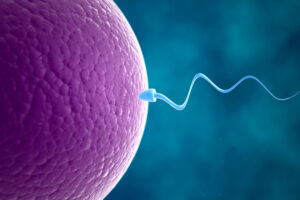
Ovulation is the process by which one of your ovaries releases a mature egg.
This egg then travels toward the fallopian tube, waiting to be fertilized by sperm.
For most women:
- Ovulation happens once in every menstrual cycle,
- usually 12–16 days before the next period starts.
Why is ovulation important?
It is the only time you can get pregnant naturally.
Knowing your ovulation window helps you plan intercourse accurately.
It helps diagnose fertility problems if ovulation isn’t happening regularly.
Why Ovulation Matters for Getting Pregnant
You can only conceive naturally during your fertile window, which includes:
- 5 days before ovulation, and
- the day of ovulation.
This is because sperm can live inside your reproductive tract for up to 5 days, but the egg survives only 12–24 hours after release.
If intercourse happens too early or too late, the egg and sperm may not meet, reducing your chances of pregnancy.
How to Calculate Your Ovulation Dates
There is no single way—your body gives signals, your cycle length matters, and sometimes tools like ovulation kits help. Here are the most reliable methods.
1. Calendar Method (Cycle Length Method)
First, understand your cycle:
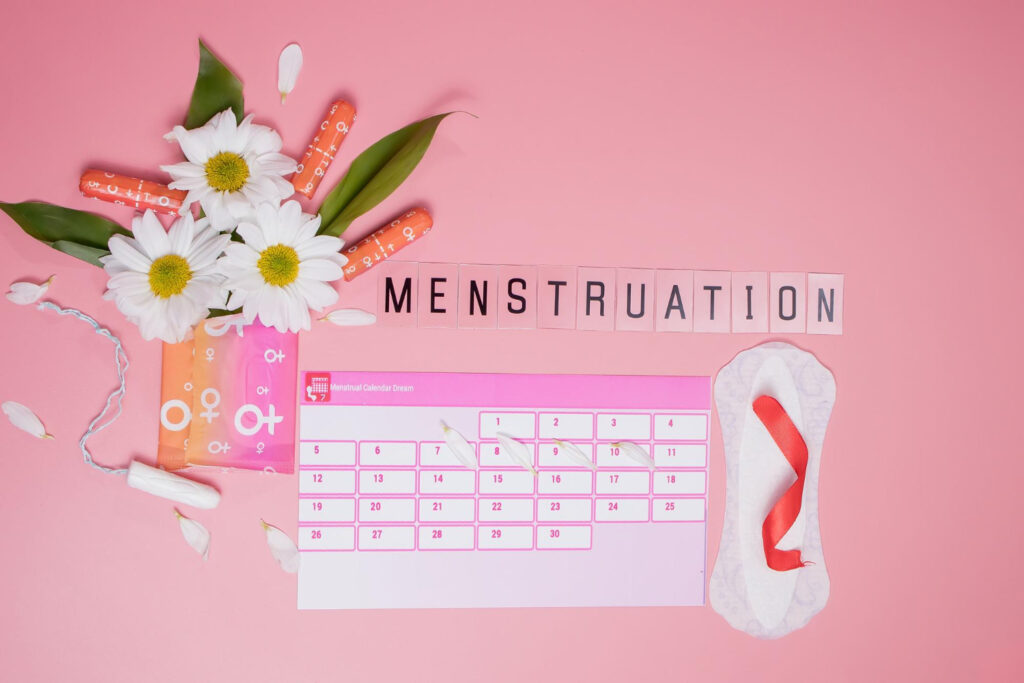
- Cycle Day 1 = first day of your period
- The average cycle lasts 28–32 days, but anywhere between 21–35 days is normal.
To calculate your ovulation:
Ovulation occurs 12–16 days before your next period.
Example:
If your cycle is 30 days, ovulation is around:
30 – 14 = Day 16
So your fertile window becomes:
Day 11 to Day 16
Use this formula for your cycle length.
2. Ovulation Calculator / Apps
Many women track their cycles using mobile apps that predict fertile days.
These apps are helpful but not 100% accurate, especially if cycles are irregular.
3. Ovulation Predictor Kits (OPKs)
These test your urine for a hormone called LH (Luteinizing Hormone).
- A positive LH surge means you will ovulate in the next 24–36 hours.
- This is one of the most accurate and affordable ways to track ovulation at home.
4. Basal Body Temperature (BBT)
Your body temperature rises slightly after ovulation.
It helps confirm ovulation but cannot predict it in advance.
5. Cervical Mucus Tracking
This is one of the most natural methods.
During your fertile phase, cervical mucus becomes:
Clear
Slippery
Stretchy — like egg white
This indicates the best time for intercourse.
Ovulation Symptoms You Should Not Miss
Your body gives a lot of clues when ovulation is near. Here are the most common symptoms:
Clear, Stretchy Cervical Mucus (Egg White Mucus)
- One of the strongest signs
- Indicates high fertility
- Helps sperm travel easily
Mild Lower Abdominal Pain (Ovulation Pain)
Increased Libido (You Feel More Sexual)
A natural biological signal.
Breast Tenderness
Hormone changes can cause sensitivity.
Light Spotting
Also called “ovulation bleeding.”
Softer and Higher Cervix
Your cervix rises to allow sperm entry.
Bloating or Fullness
Some women feel slightly swollen in the lower abdomen.
Heightened Sense of Smell
Due to hormonal shifts.
Ovulation Pain: What It Feels Like
Many women experience Mittelschmerz, a German word meaning “middle pain.”
This pain is completely normal.
What Ovulation Pain Feels Like
Women describe ovulation pain as:
- A dull ache
- A sharp cramp
- A pinching sensation
- Pressure on one side of the lower abdomen
It usually occurs on the side of the ovary, where the egg is released.
How long does ovulation pain last?
Anywhere between a few minutes and 48 hours.
Is ovulation pain harmful?
No. It is harmless and temporary.
When Ovulation Pain Is Not Normal
Seek medical help if:
- Pain is severe
- Pain lasts longer than 2 days.
- Pain happens throughout your cycle.
- You have a fever, nausea, or vomiting.
- Pain affects your daily activities.
These may indicate conditions like:
- Ovarian cysts
- Endometriosis
- Pelvic inflammation
- Fibroids
Your Fertile Window: Best Days to Get Pregnant
To maximize pregnancy chances:
Have intercourse every alternate day during days 10–18
(for a 28–30 day cycle)
Or more accurately:
- 2 days before ovulation
- 1 day before ovulation
- Ovulation day
- 1 day after ovulation
This ensures sperm are present when the egg is released.
When Ovulation Does Not Happen (Anovulation)
You may not ovulate if:
- You have PCOS
- Thyroid disorders
- High stress
- Low body weight
- Obesity
- High prolactin
- Premature ovarian failure
- Low AMH
- You are above the age of 35
- You have irregular cycles.
If you’re trying to conceive and not ovulating regularly, consult a fertility specialist.
How to Track Ovulation Accurately
Here are the best ways for reliable tracking:
- OPK kits
- Ultrasound follicle monitoring (done at fertility clinics)
- Blood hormone tests (LH, FSH, AMH, progesterone)
- Cervical mucus changes
- Tracking cycles consistently
Ovulation & Fertility Problems: When to Worry
Consult a fertility specialist if:
- Your cycles are irregular.
- You’re unable to track ovulation.
- You feel no symptoms at all.
- You’ve been trying to conceive for
- 12 months (age <35)
- 6 months (age >35)
How The Boon IVF (Hyderabad) Helps With Ovulation Issues
At The Boon IVF, ovulation-related infertility is treated with advanced technology and personalized care. We offer:
Follicular Monitoring
Ultrasound scans to track egg growth and confirm ovulation.
Ovulation Induction
Medications to stimulate egg release safely.
Hormonal Testing
Complete evaluation to identify hormonal imbalances.
IUI (Intrauterine Insemination)
Timed insemination for better chances.
IVF & ICSI
If ovulation is irregular or poor, IVF helps retrieve eggs directly.
PCOS & Thyroid Treatment
We correct underlying causes that stop ovulation.
The goal is simple:
To help you ovulate regularly and increase your chances of pregnancy.
FAQs on Ovulation
1. How do I know I am ovulating?
You may notice clear stretchy discharge, mild pain, breast tenderness, or a positive ovulation test.
2. Can you get pregnant without ovulation?
No, pregnancy is not possible without ovulation.
3. Does ovulation pain mean I am fertile?
Yes, ovulation pain indicates that your body is releasing an egg.
4. How long does ovulation last?
The egg survives for 12–24 hours, but your fertile window is 5–6 days.
5. Is it normal to have no ovulation symptoms?
Yes. Many women feel nothing during ovulation. OPKs or ultrasound monitoring help.
6. Do irregular periods mean no ovulation?
Not always, but irregular cycles often make ovulation unpredictable.
7. Can IVF help if I don’t ovulate?
Yes. IVF retrieves eggs using medications, even if natural ovulation is irregular.
Conclusion
Ovulation is the key to understanding your fertility.
Once you learn how to read your body’s signals—dates, symptoms, cervical mucus, and ovulation pain—you can plan pregnancy more accurately.
If you’re facing irregular ovulation, severe pain, or difficulty tracking your cycles, The Boon IVF in Hyderabad can help with advanced diagnostics and personalized fertility treatments.
Your journey to parenthood starts with understanding your cycle.