Pregnancy is a beautiful journey, but it also brings many physical changes that can sometimes feel confusing or even alarming. One common concern many women experience is upper abdominal pain during the second trimester. While this discomfort is often harmless and related to normal pregnancy changes, in some cases, it may signal an underlying issue that needs medical attention.
At The Boon IVF, we frequently hear questions like:
“Is upper abdominal pain normal in the second trimester?”
“Should I be worried if I feel pain under my ribs?”
This comprehensive guide will help you understand why upper abdominal pain occurs in the second trimester, how to identify warning signs, and what safe relief options you can follow to stay comfortable and confident during pregnancy.
Understanding Upper Abdominal Pain During Pregnancy
Upper abdominal pain refers to discomfort felt above the belly button, including the area under the ribs, upper right abdomen, upper left abdomen, or central upper stomach region. During the second trimester (weeks 13–27), your body undergoes rapid changes that can affect muscles, organs, digestion, and blood circulation.
The good news is that most upper abdominal pain in the second trimester is not a cause for concern. However, understanding the cause is essential to rule out serious conditions and ensure the health of both mother and baby.
Why Upper Abdominal Pain Is Common in the Second Trimester
The second trimester is often referred to as the “golden period” of pregnancy because nausea typically subsides and energy levels improve. Still, physical changes continue, including:
- Rapid growth of the uterus
- Shifting of internal organs
- Hormonal changes affecting digestion
- Increased blood volume and circulation
- Stretching of muscles and ligaments
These changes can lead to pressure, cramping, or sharp pains in the upper abdomen, especially as the uterus begins pushing upward.
Common Causes of Upper Abdominal Pain in the Second Trimester
1. Stretching of Ligaments and Muscles
As your uterus expands, it stretches surrounding ligaments and abdominal muscles. This stretching can cause sharp or pulling pain, particularly when changing positions, standing up quickly, or twisting your body.
Symptoms include:
- Sudden sharp pain lasting a few seconds
- Pain worsens with movement.
- No fever or other symptoms
This type of pain is usually harmless and improves with rest.
2. Indigestion, Gas, and Bloating
Hormonal changes during pregnancy slow down digestion. As a result, gas builds up in the intestines, leading to pressure and discomfort in the upper abdomen.
Symptoms include:
- Burning or heavy sensation in the upper stomach
- Bloating and burping
- Pain after meals
Eating large meals or spicy foods can make this worse.
3. Acid Reflux and Heartburn
Acid reflux is extremely common during pregnancy due to relaxation of the lower oesophageal sphincter and pressure from the growing uterus.
Symptoms include:
- Burning pain in the upper abdomen or chest
- Sour taste in the mouth
- Pain that worsens when lying down
Heartburn-related pain is uncomfortable but not harmful to the baby.

4. Constipation
Pregnancy hormones and iron supplements can slow bowel movements, causing constipation. Trapped stool and gas can create pressure in the upper abdomen.
Symptoms include:
- Infrequent bowel movements
- Hard stools
- Abdominal fullness or cramping
This is a very common and treatable cause of pain.
5. Gallbladder Problems
Pregnancy increases the risk of gallstones due to hormonal changes. Gallbladder pain usually appears in the upper right abdomen.
Symptoms include:
- Sharp pain under the right rib cage
- Pain after fatty meals
- Nausea or vomiting
Gallbladder issues require medical evaluation, especially if pain is severe.
6. Urinary Tract Infections (UTIs)
While UTIs usually cause lower abdominal pain, sometimes the discomfort radiates upward, especially if the infection progresses.
Symptoms include:
- Burning during urination
- Frequent urge to urinate
- Fever or chills
Untreated UTIs can affect pregnancy outcomes, so prompt treatment is essential.
7. Preeclampsia (Serious but Rare in Second Trimester)
Preeclampsia is a pregnancy-related condition marked by high blood pressure and organ stress. One of its warning signs is upper right abdominal pain, caused by liver involvement.
Symptoms include:
- Severe upper abdominal pain
- Headache
- Swelling of the face or hands
- Vision changes
This condition needs immediate medical attention.
8. Placental Issues
Rarely, placental complications may cause upper abdominal pain, especially when accompanied by bleeding or contractions.
Symptoms include:
- Persistent pain
- Vaginal bleeding
- Uterine tenderness
These cases require urgent care.
Is Upper Abdominal Pain Dangerous for the Baby?
In most cases, upper abdominal pain in the second trimester does not harm the baby. Conditions like gas, heartburn, ligament stretching, or constipation are common and manageable.
However, persistent, severe, or worsening pain should never be ignored, especially if accompanied by:
- Fever
- Vaginal bleeding
- Severe headache
- Vomiting
- Reduced fetal movements
At The Boon IVF, we always recommend erring on the side of caution and seeking expert evaluation.
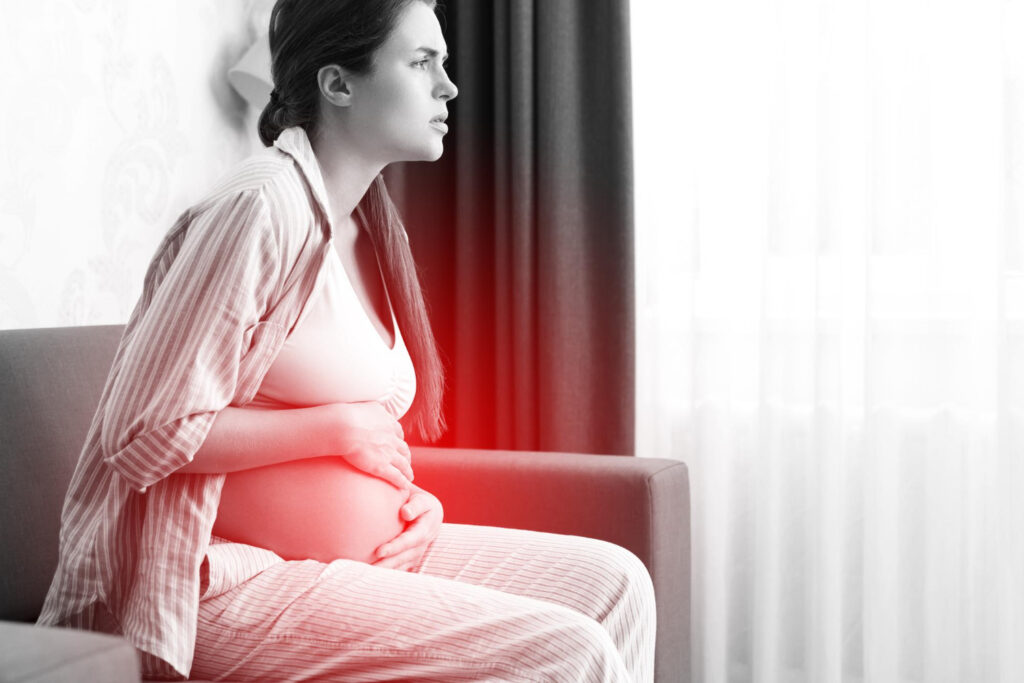
When Should You See a Doctor Immediately?
Seek medical help if you experience:
- Severe or continuous upper abdominal pain
- Pain with fever or chills
- Sudden swelling of the face or hands
- Visual disturbances
- High blood pressure readings
- Vaginal bleeding
- Pain that does not improve with rest
Early evaluation ensures both maternal and fetal safety.
Safe Relief Options for Upper Abdominal Pain
1. Eat Small, Frequent Meals
Large meals increase pressure on the stomach. Opt for smaller meals spread throughout the day.
Helpful tips:
- Avoid spicy and oily foods.
- Eat slowly
- Stay upright after meals.
2. Stay Hydrated
Drinking plenty of water helps prevent constipation and improve digestion.
3. Improve Sleeping Position
Sleeping on your left side with pillows for support can reduce pressure on internal organs and improve circulation.
4. Gentle Prenatal Exercises
Light activities such as walking or prenatal yoga can improve digestion and reduce gas buildup.
Always consult your doctor before starting any exercise routine.
5. Warm Compress
A warm (not hot) compress applied to the upper abdomen can relieve muscle tension and discomfort.
6. Manage Constipation Naturally
- Increase fibre intake (fruits, vegetables, whole grains)
- Stay active
- Avoid straining during bowel movements.
7. Medications (Only Under Medical Guidance)
Antacids or stool softeners may be prescribed by your doctor if lifestyle changes don’t help. Never self-medicate during pregnancy.
How The Boon IVF Supports You During Pregnancy
At The Boon IVF, Hyderabad, we understand that pregnancy after fertility treatment can come with added emotional and physical concerns. Our expert obstetricians and fertility specialists provide:
- Personalised pregnancy monitoring
- Advanced ultrasound and diagnostic support
- Safe pain management guidance
- High-risk pregnancy care
- Compassionate counselling and reassurance
We ensure that every symptom you experience is evaluated with care and clarity.
Frequently Asked Questions (FAQs)
Is upper abdominal pain normal in the second trimester?
Yes, it is often normal and caused by digestion issues, ligament stretching, or gas. However, persistent pain should be evaluated.
Can stress cause upper abdominal pain during pregnancy?
Yes, stress can worsen indigestion and muscle tension, leading to discomfort.
Does upper abdominal pain mean miscarriage?
In the second trimester, upper abdominal pain alone is rarely linked to miscarriage. Warning signs usually include bleeding and severe cramping.
Can I take painkillers for abdominal pain?
Only medications prescribed by your doctor are safe during pregnancy. Avoid over-the-counter painkillers without medical advice.
Final Thoughts
Upper abdominal pain in the second trimester can feel worrying, but in most cases, it is a normal part of your body adapting to pregnancy. Understanding the causes, recognizing warning signs, and following safe relief measures can help you enjoy a more comfortable pregnancy journey.
If you ever feel unsure, remember that expert care is just a consultation away.
Visit The Boon IVF, Hyderabad, for trusted pregnancy and fertility care designed around your safety, comfort, and peace of mind.