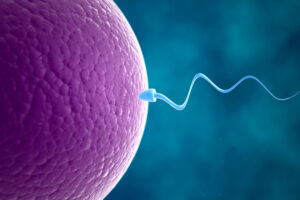
Sexual health plays a much deeper role in fertility than most people realize. While couples often focus on physical tests such as semen analysis, hormonal tests, or ovulation scans, they forget that the foundation of conception begins with sexual wellbeing, intimacy, emotional connection, and reproductive hygiene. At The Boon IVF in Hyderabad, we see many couples who struggle to conceive even when their tests appear normal, only to later discover that hidden sexual health issues were silently contributing to their fertility challenges.
This comprehensive guide explores the unspoken truths of sexual health, how they affect natural conception, and how couples can address these issues with awareness, care, and timely medical support.
1. Why Sexual Health Is a Critical Part of Fertility
Most couples are never taught that sexual health is not just about intercourse. It includes:
- Hormonal balance
- Emotional and psychological well-being
- Sexual desire and arousal
- Reproductive hygiene
- Genital health
- Proper frequency and timing of intercourse
- Absence of infections
- Healthy sexual behavior patterns
Even a small disturbance in any of these areas can interfere with fertilization, sperm motility, ovulation, and implantation.
Sexual health is often overlooked because of cultural taboos, shyness, or feelings of embarrassment—but ignoring it delays conception and increases stress between partners. At The Boon IVF, we encourage couples to treat sexual health as an essential aspect of their fertility journey.
2. Unspoken Male Sexual Health Issues That Affect Fertility
Men contribute to 40–50% of infertility cases, yet most male sexual health concerns remain unaddressed. This is mainly due to stigma or the misconception that fertility is a “woman’s issue.”
Below are the most common problems that are rarely discussed.
A. Erectile Dysfunction (ED)
ED is more common than most men admit. It may be caused by:
- Stress or performance anxiety
- Diabetes or blood pressure issues
- Poor blood circulation
- Hormonal imbalance
- Smoking, alcohol, or lack of sleep
How ED affects fertility:
- Couples have fewer successful intercourse attempts.
- Difficulty achieving or maintaining an erection reduces the chances of vaginal ejaculation.
- Missed fertile window (ovulation days) reduces conception chances.
ED is completely treatable when addressed by specialists.
B. Premature Ejaculation (PE)
PE leads to ejaculation earlier than desired, often before proper vaginal penetration.
Its impact on fertility:
- Fewer sperm reach the cervix.
- Reduces the deposition of semen close to the cervical opening
- Causes relationship stress and performance anxiety
Behavioral therapy and simple lifestyle changes can help dramatically.
C. Low Libido or Lack of Sexual Desire
Low libido in men is often linked with:
- Low testosterone
- Depression and stress
- Diabetes
- Thyroid imbalance
- Porn addiction
- Lack of physical activity
If a man’s sexual desire is low, the frequency of intercourse reduces, which significantly lowers the chance of conception during fertile days.
D. Silent Sexually Transmitted Infections (STIs)
Many STIs do not show symptoms but can quietly affect sperm health.
Chlamydia, gonorrhea, and HPV can lead to:
- Blocked semen ducts
- Testicular inflammation
- Decreased sperm motility
- Lower sperm count
These infections are treatable when diagnosed early.
E. Poor Sperm Health Due to Lifestyle
Unhealthy habits like:
- Smoking
- Drinking
- Late-night sleep
- Junk food
- Excessive heat exposure
- Tight underwear
- Sedentary lifestyle
can reduce sperm count, motility, morphology, and DNA integrity.
3. Unspoken Female Sexual Health Issues That Affect Fertility
Just like men, women experience several silent sexual health problems that interfere with conception—but they rarely discuss them.
A. Painful Intercourse (Dyspareunia)
Many women suffer silently due to:
- Endometriosis
- Vaginal infections
- Low estrogen
- Pelvic inflammatory disease (PID)
- Vaginal muscle tightness (vaginismus)
How it affects fertility:
- Avoidance of intercourse
- Pain during penetration leads to incomplete ejaculation.
- Missed fertile window
Treatment depends on the underlying condition and is highly effective.
B. Vaginal Dryness
This can occur due to:
- Low estrogen
- PCOS
- Stress
- Hormonal disturbances
- Breastfeeding
- Excessive use of chemical products
Low vaginal lubrication makes intercourse painful and reduces sperm movement.
C. Undetected STIs or Vaginal Infections
STIs like chlamydia cause silent damage to reproductive organs.
They may lead to:
- Fallopian tube blockages
- Pelvic inflammation
- Difficulty in fertilization and implantation
- Chronic pelvic pain
One simple screening test can prevent years of infertility.
D. Low Sexual Desire or Arousal Problems
This may result from:
- Hormonal imbalance
- Thyroid issues
- Stress, anxiety, or depression
- Relationship problems
- PCOS
Low desire reduces intercourse frequency, which affects conception.

4. Psychological and Emotional Factors Affecting Fertility
Sexual health is deeply connected to mental health.
Many couples experience:
- Performance pressure (“we must have sex today”)
- Anxiety around timed intercourse
- Stress from work or family
- Relationship conflicts
- Body image issues
- Fear of failure
Stress increases cortisol, which reduces reproductive hormones and lowers fertility.
At The Boon IVF, we offer counseling to support emotional well-being, as it is essential for conception.
5. Sexual Hygiene and Its Impact on Fertility
Good genital hygiene is important for both partners. Poor hygiene can lead to:
- Recurrent vaginal infections
- Urinary tract infections
- Foul odor
- Itching and discomfort
- Pain during intercourse
Regular cleansing, avoiding harsh soaps, and keeping clothing clean are small but important habits.
6. Timing, Frequency, and Technique: The Silent Fertility Factors
Many couples are unaware of the correct timing of intercourse.
The Fertile Window:
The best time to have intercourse is:
- 5 days before ovulation
- The day of ovulation
- 1 day after ovulation
Sex outside these days drastically lowers conception chances.
Recommended frequency:
Every 24 to 48 hours during the fertile window ensures the presence of fresh, motile sperm.
Incorrect assumptions that hurt fertility:
Waiting only for ovulation day
Doing intercourse daily for the entire month
Avoiding sex due to stress
Relying on mobile apps only without proper cycle tracking
Our specialists at The Boon IVF guide couples on accurate cycle charting based on scans and hormone tests.

7. Lifestyle Habits That Quietly Destroy Sexual & Reproductive Health
Both men and women experience fertility damage from habits such as:
- Excess screen time (reduces libido)
- Poor sleep
- Excess sugar and processed foods
- Being overweight or underweight
- Lack of exercise
- Stress and burnout
Improving these factors can significantly increase the chances of natural conception.
8. When Should You Seek Medical Help?
Visit The Boon IVF, Hyderabad if:
- You have been trying for more than 6–12 months.
- Sex is painful or stressful.
- You suspect a hormonal imbalance.
- There is a low libido in either partner.
- Infections keep recurring
- Semen analysis is abnormal.
- Menstrual cycles are irregular.
Early diagnosis saves time, health, and emotional energy.
9. How The Boon IVF Supports Couples
We provide complete, compassionate, and private care for sexual and reproductive concerns.
Our services include:
- Hormone testing
- Semen analysis
- Ultrasound scans
- STI screening
- Sexual health counseling
- Treatment for ED, PE, and low libido
- Guidance for timed intercourse
- IUI, IVF, and advanced fertility treatments
- Personalized couple therapy
Our goal is to help couples conceive with confidence, comfort, and professional support.
Conclusion
Sexual health is a key pillar of fertility—yet it is often the most ignored. The unspoken issues around intimacy, sexual performance, emotional stress, hygiene, infections, and lifestyle habits silently impact a couple’s ability to conceive.
By addressing these concerns early, improving communication between partners, and seeking timely support from experts at The Boon IVF, couples can significantly increase their chances of achieving a healthy pregnancy.