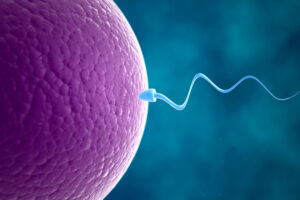
Painful periods are extremely common among women of reproductive age. For many, period pain is brushed aside as “normal” or something they are expected to live with. But when menstrual pain becomes intense, recurring, or disruptive to daily life, it often raises an important question:
Are painful periods a sign of good fertility, or could they indicate an underlying fertility problem?
At Boon IVF, Hyderabad, we frequently meet women who are confused about the relationship between period pain and fertility. Some believe that severe cramps mean their reproductive system is working well, while others fear that pain automatically means infertility. The truth lies somewhere in between.
This article explains what painful periods really mean, when they are normal, when they may signal a problem, and how they can affect fertility.
What Are Painful Periods (Dysmenorrhea)?
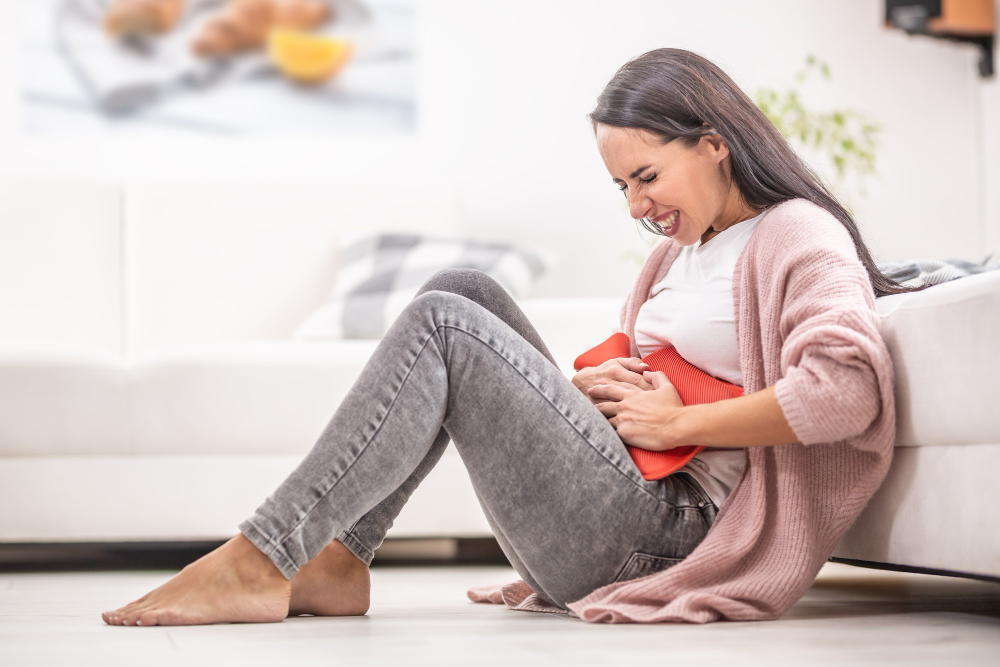
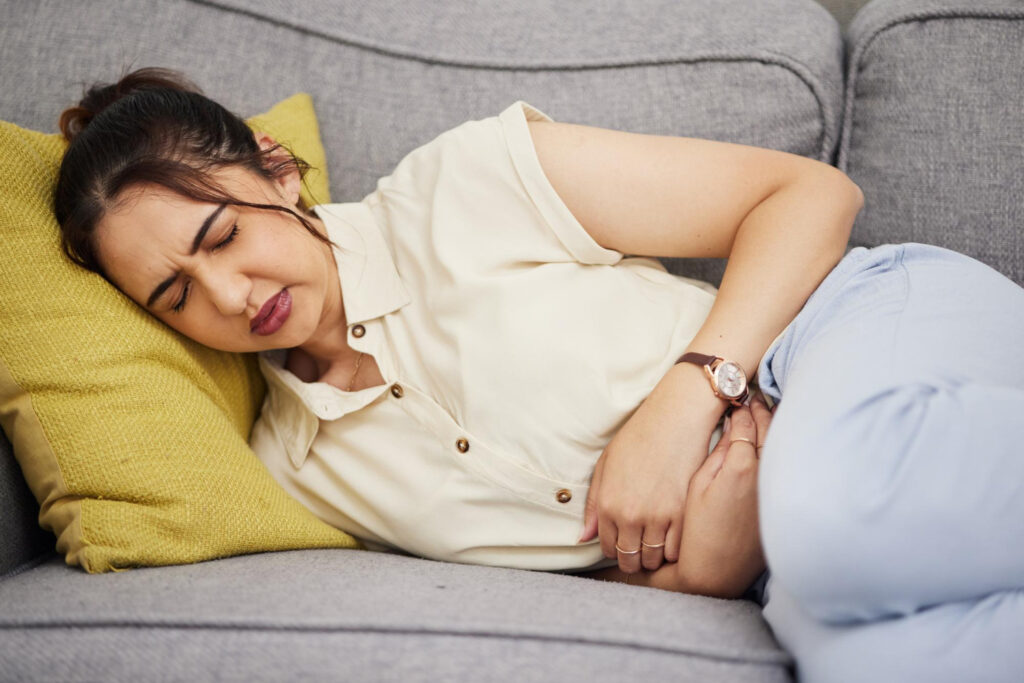
Painful periods, medically known as dysmenorrhea, refer to cramping pain in the lower abdomen that occurs before or during menstruation. The pain may also spread to the lower back, thighs, or pelvis and can be accompanied by nausea, headache, diarrhea, or fatigue.
There are two main types of painful periods:
1. Primary Dysmenorrhea
This is menstrual pain without any underlying disease. It usually:
- Starts within a few years of the first period
- Occurs due to natural uterine contractions
- Improves with age or after childbirth
- It is not linked to infertility.
2. Secondary Dysmenorrhea
This type of pain is caused by an underlying medical condition, such as:
- Endometriosis
- Fibroids
- Adenomyosis
- Pelvic inflammatory disease (PID)
- Ovarian cysts
Secondary dysmenorrhea often starts later in life, worsens over time, and may affect fertility.
Why Do Periods Hurt?
During menstruation, the uterus contracts to shed its lining. These contractions are triggered by chemicals called prostaglandins. Higher levels of prostaglandins cause stronger contractions, which can reduce blood flow to the uterus and lead to pain.
However, when pain is severe, prolonged, or worsening, it may indicate that something more than normal prostaglandin activity is involved.
Are Painful Periods a Sign of Good Fertility?
Short answer: No, painful periods are not a sign of good fertility.
This is one of the most common myths we hear at Boon IVF.
Why This Myth Exists
Some people believe that:
- Strong uterine contractions = healthy uterus.
- Regular periods + pain = normal ovulation
While it is true that regular periods often indicate ovulation, pain itself does not indicate better fertility.
The Reality
- Mild to moderate cramps can occur in healthy, fertile women
- Severe or worsening pain may indicate conditions that reduce fertility.
- Fertility depends on ovulation quality, egg health, fallopian tube function, uterine environment, and hormonal balance — not pain.
When Are Painful Periods Considered Normal?
Painful periods are generally considered normal if:
- Pain is mild to moderate.
- It lasts only 1–2 days.
- It improves with rest or pain relief medication.
- It does not interfere with work or daily life.
- There are no other symptoms, such as heavy bleeding or irregular cycles.
In such cases, fertility is usually not affected.
When Can Painful Periods Affect Fertility?
Painful periods may impact fertility when they are caused by underlying reproductive disorders.
1. Endometriosis
Endometriosis occurs when tissue similar to the uterine lining grows outside the uterus. It is one of the leading causes of painful periods and infertility.
Symptoms include:
- Severe menstrual pain
- Pain during intercourse
- Painful bowel movements
- Difficulty conceiving
Endometriosis can:
- Damage to the ovaries and fallopian tubes
- Affect egg quality
- Causes: Cause inflammation that interferes with implantation.
2. Uterine Fibroids
Fibroids are non-cancerous growths in the uterus that can cause:
- Heavy and painful periods
- Pelvic pressure
- Difficulty conceiving (in some cases)
Large or strategically placed fibroids may interfere with embryo implantation or increase miscarriage risk.
3. Adenomyosis
Adenomyosis occurs when uterine lining tissue grows into the uterine muscle.
It can cause:
- Severe cramps
- Heavy bleeding
- Enlarged uterus
- Reduced implantation potential
4. Pelvic Inflammatory Disease (PID)
PID is an infection of the reproductive organs, often caused by untreated STIs.
It may lead to:
- Chronic pelvic pain
- Painful periods
- Blocked fallopian tubes
- Infertility if untreated
5. Ovarian Cysts
Some ovarian cysts can disrupt ovulation or cause pain during periods, affecting fertility depending on the type and size.
Can You Have Painful Periods and Still Be Fertile?
Yes. Many women with painful periods conceive naturally without difficulty.
However, persistent or severe pain should never be ignored, especially if:
- You are trying to conceive.
- Pain is worsening over time.
- Periods are very heavy or irregular.
- You experience pain during intercourse.
Early diagnosis significantly improves fertility outcomes.
Painful Periods vs Ovulation Pain
Some women confuse menstrual cramps with ovulation pain (mittelschmerz), which occurs mid-cycle and is usually mild and short-lived.
Ovulation pain:
- Occurs around day 12–16 of the cycle
- Lasts a few hours to a day
- It is not associated with heavy bleeding.
- Does not affect fertility negatively
When Should You See a Fertility Specialist?
You should consult a fertility specialist if:
- Period pain affects your daily activities.
- Pain does not respond to medication.
- You have been trying to conceive for 6–12 months.
- Periods are very heavy or irregular.
- You experience pain during intercourse.
At Boon IVF, we focus on identifying the root cause, not just treating the symptoms.
How Are Painful Periods Evaluated at Boon IVF?
Our evaluation includes:
- Detailed menstrual and fertility history
- Ultrasound imaging
- Hormonal testing
- Advanced diagnostics if needed (laparoscopy/hysteroscopy)
This helps us determine whether pain is harmless or fertility-related.
Treatment Options Based on Cause
Treatment depends on the underlying condition and fertility goals.
For Mild, Non-Fertility Related Pain
- Lifestyle changes
- Dietary improvements
- Stress management
- Short-term pain relief under medical guidance
For Fertility-Related Causes
- Hormonal regulation
- Minimally invasive procedures
- Endometriosis management
- Fertility-focused treatment plans
- IVF or assisted reproductive techniques, if required
Can IVF Help Women with Painful Periods?
Yes. IVF can help when painful periods are linked to:
- Endometriosis
- Tubal damage
- Severe fibroids
- Ovulation disorders
At Boon IVF, treatment plans are personalized to preserve fertility while managing pain.
Frequently Asked Questions (FAQs)
Do painful periods mean I am ovulating?
Not necessarily. Ovulation is determined by hormonal patterns, not pain intensity.
Can period pain improve after pregnancy?
Yes, many women experience reduced cramps after childbirth, especially in primary dysmenorrhea.
Is it normal to have painful periods every month?
Mild discomfort can be normal, but severe monthly pain should be evaluated.
Can lifestyle changes reduce period pain?
Yes, healthy weight, balanced diet, exercise, and stress management may help reduce pain in some women.
Final Thoughts
Painful periods are not a sign of good fertility, nor do they automatically mean infertility. The key lies in understanding the cause.
While mild cramps can be normal, severe or persistent menstrual pain may signal conditions that affect reproductive health. Early evaluation and expert care can protect fertility and improve quality of life.
At Boon IVF, Hyderabad, we believe no woman should ignore period pain or struggle in silence. If your periods are painful and you are concerned about fertility, a timely consultation can make all the difference.
Your fertility journey deserves clarity, compassion, and the right medical guidance